From Your Roof to the River: How Going Solar Protects Your Local Ecosystem
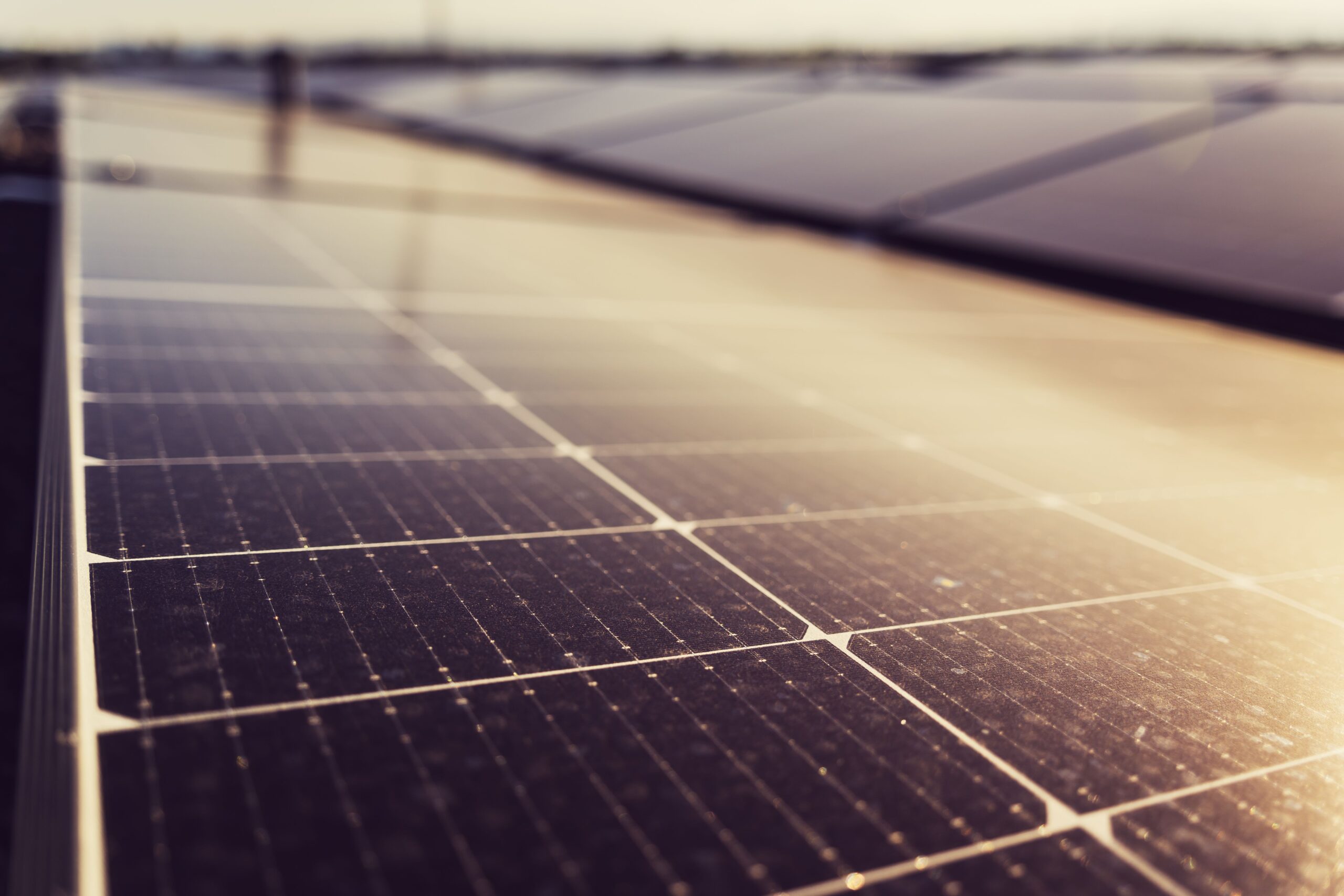
When most people think about renewable energy, their minds jump to the global impact. We hear about melting ice caps and rising sea levels on the news every day. But what often gets lost in the conversation is how the energy choices you make for your home directly affect the woods, streams, and wildlife right in your own neighborhood. The electricity powering your lights and appliances comes from somewhere, and traditionally, that generation process takes a serious toll on the local environment. Making the switch and installing solar panels on your roof does much more than just lower your monthly utility bill. It actively protects the delicate balance of nature in your own backyard. Let’s break down exactly how generating your own clean energy preserves the local ecosystem for generations to come.
Clearing the Air for Local Wildlife
To understand the benefits of solar, you first have to look at how conventional electricity is made. Most regional power grids still rely on burning fossil fuels like coal and natural gas. When these plants operate, they release a steady stream of pollutants into the air, including sulfur dioxide and nitrogen oxides. These emissions don’t just float up into the atmosphere and disappear. They settle back down over the surrounding region, creating smog and contributing to acid rain.
Acid rain is particularly devastating to local ecosystems. It alters the pH levels of nearby lakes and streams, making the water toxic to sensitive fish and amphibian populations. It also strips the soil of essential nutrients, weakening the trees and plants that local wildlife rely on for food and shelter. When you generate your electricity from the sun, you produce zero emissions. You are pulling demand away from those polluting power plants. Over time, this reduction in harmful local emissions leads to cleaner air, healthier soil, and a thriving environment for the creatures that share your community.
Conserving Vital Water Resources
Water is the lifeblood of any ecosystem, and traditional power generation is incredibly thirsty. Thermoelectric power plants require billions of gallons of water every year just to cool down their internal equipment. They draw this water from local rivers, lakes, and underground aquifers. Once the water is used for cooling, it is often discharged back into the environment at a much higher temperature. This process, known as thermal pollution, is incredibly destructive.
When a surge of unusually warm water enters a natural waterway, it lowers the oxygen levels. This sudden change can cause significant die-offs of local fish and disrupt the breeding cycles of aquatic life. During periods of drought, power plants continue to draw vast amounts of water, leaving less available for the plants and animals that desperately need it to survive. Photovoltaic systems on your roof operate differently. They convert sunlight directly into electricity without needing a single drop of water for cooling. By generating your own power, you help ensure that your local streams maintain their natural temperatures and water levels, keeping the aquatic ecosystem balanced.
Preventing Habitat Destruction
Another hidden cost of traditional energy is the physical toll it takes on the land. Extracting fossil fuels requires strip mining, drilling, and clearing vast tracts of forest to lay down pipelines and build processing facilities. Every time land is cleared for extraction, natural habitats are fractured or destroyed. Animals are forced out of their homes, migratory paths are disrupted, and native plant species are ripped up to make way for industrial machinery.
The beauty of residential solar energy is that it utilizes space that is already developed. Your roof is basically an unused asset sitting right above your head. By turning that existing structure into a mini power plant, you eliminate the need to disturb untouched land. You are generating significant amounts of energy without tearing down a single tree or disrupting a single animal burrow. When more homes in a community adopt this technology, it reduces the regional demand for new fossil fuel extraction sites, directly preserving the surrounding forests and fields.
Keeping Toxic Spills Out of Your Community
Whenever fuels have to be extracted and transported across the state, there is always a risk of an accident. We are all too familiar with stories of oil spills or pipeline leaks contaminating local groundwater. Even the ash left over from burning coal contains toxic elements that are frequently stored in large, unlined ponds. When these ponds overflow during severe rainstorms, the toxic sludge spills into neighboring rivers, poisoning the water supply for both animals and humans alike.
Sunlight, on the other hand, is delivered directly to your roof every morning without the need for trucks, trains, or pipelines. There is nothing to spill, nothing to leak, and no toxic waste left behind. The energy production process is entirely self-contained within the sleek panels sitting on your shingles. This completely removes the risk of a catastrophic environmental accident occurring in your local watershed.
A Greener Choice for the Neighborhood
Deciding to upgrade your home with renewable energy is often driven by a desire for financial independence and lower utility bills. Those are fantastic reasons to make the switch, but the ripple effects of that decision extend far beyond your own wallet. Every kilowatt of energy you produce on your roof is a kilowatt that doesn’t have to be burned, mined, or cooled by a distant power plant. It means cleaner air in your neighborhood parks, cooler water in your local creeks, and undisturbed habitats for the wildlife that live right outside your door. It is one of the most direct, impactful ways you can step up and protect the beautiful ecosystem that makes your local community feel like home.