
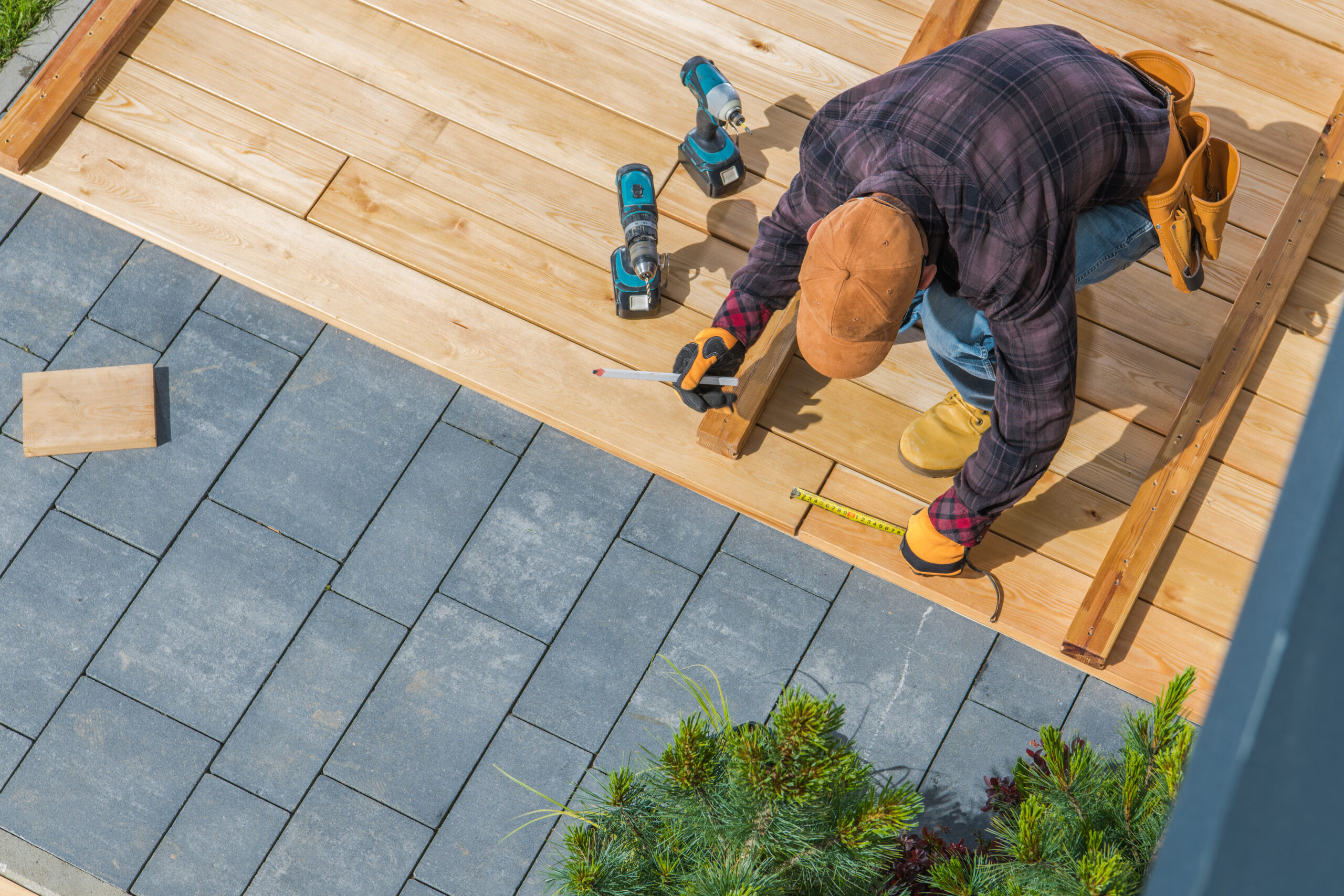
5 Things to Consider Before Starting Your Patio Installation Project
A well-designed patio can transform your backyard into an outdoor living space you’ll enjoy for years to come. Whether you’re envisioning a cozy spot for morning coffee or a full-scale entertainment area complete with a pool, planning ahead makes all the difference. Before you break ground, there are several important factors to weigh. Here are five things to consider before starting your patio installation project.
1. Define Your Purpose and Layout
Before contacting a patio build specialist, think about how you actually want to use the space. Will it be a quiet retreat for relaxing evenings, a dining area for weekend barbecues, or a gathering spot for entertaining large groups? Your intended use will shape everything from the size and shape of the patio to the materials and furniture you choose.
Consider how the patio will connect to your home and yard. Will it flow directly from your kitchen or living room? Should it wrap around existing landscaping or a pool area? Sketching out a rough layout, or working with a design professional, helps you visualize traffic flow and ensures the finished product feels like a natural extension of your home rather than an afterthought.
2. Choose the Right Materials
Patios can be built from a variety of materials, including concrete, pavers, natural stone, brick, and even composite decking. Each option comes with its own look, feel, durability, and price point. Pavers offer design flexibility and are relatively easy to repair if a section gets damaged, while natural stone provides a timeless, upscale appearance.
Think about your local climate and how it might affect material performance. Some materials handle freeze-thaw cycles better than others, while some stay cooler underfoot in hot, sunny climates. If your project is near a pool, you’ll also want to choose slip-resistant surfaces that can handle splashes and constant moisture without becoming hazardous.
3. Factor in Drainage and Grading
Proper drainage is one of the most overlooked aspects of patio installation, yet it’s essential for the long-term health of your outdoor space. Water pooling on your patio can lead to cracking, erosion, and even structural damage to your home’s foundation if the grading isn’t handled correctly.
Before installation begins, your contractor should evaluate the slope of your yard and plan for proper water runoff. This is especially important if your patio project is being installed alongside a pool, since pool decks require careful attention to drainage to prevent slip hazards and water damage. A qualified pool builder will understand how to integrate patio drainage with pool systems so the two work together seamlessly.
4. Understand Permits and Local Regulations
Depending on where you live, patio installation may require permits, especially if the project involves electrical work, plumbing, or structural changes like retaining walls. If your patio is being built in conjunction with a pool, local regulations may also dictate fencing requirements, setback distances from property lines, and safety features.
Before any work begins, check with your local building department or ask your contractor to handle the permitting process. Skipping this step can lead to costly fines or the need to redo work that doesn’t meet code. A reputable pool builder or patio contractor will be familiar with local requirements and can help you navigate the process smoothly.
5. Set a Realistic Budget and Timeline
Patio projects can vary widely in cost depending on size, materials, and complexity. Before starting, establish a clear budget that accounts for materials, labor, permits, and any unexpected expenses that may arise once work begins. It’s wise to set aside a contingency fund for surprises like uneven ground, drainage issues, or design changes along the way.
Timeline is another important consideration. Weather, material availability, and the scope of the project can all affect how long installation takes. If your patio is part of a larger project that includes a new pool, coordinating schedules between your patio build team and your pool builder is essential to avoid delays and ensure the two elements come together cohesively.
Bringing Your Vision to Life
A successful patio installation starts with careful planning. By defining your purpose, choosing durable materials, addressing drainage, understanding local permit requirements, and setting a realistic budget, you’ll be well-prepared for a smooth construction process. If your project includes a pool, working with an experienced pool builder alongside your patio contractor ensures both elements are designed to complement each other from the ground up.
Taking the time to think through these details before construction begins will help you avoid costly mistakes and create an outdoor space that adds lasting value and enjoyment to your home.

