
How Home Cooks Can Master Plant-Forward Weekday Menus
Modern weekdays often create tension between eating wholesome meals and managing limited time. After a long workday, few people have the energy to spend hours slicing vegetables, simmering stocks, and scrubbing pots. As a result, takeout boxes and packaged foods frequently replace home cooking, even when people genuinely want to eat better.
A plant-forward approach offers a practical way forward. Rather than adopting restrictive diets or complicated rules, focusing on plants allows home cooks to celebrate vegetables, hearty grains, and fragrant herbs. When these ingredients form the core of dinner, meals become lighter, colorful, and satisfying.
Much of this approach reflects modern culinary evolution. Casual eateries have demonstrated that vegetable-focused plates can be just as exciting as traditional centerpieces. In our earlier look at modern neighborhood food culture, we highlighted how casual establishments turn humble farm produce into creative favorites. Bringing that mindset home makes weekday cooking inspiring rather than exhausting.
Prioritizing Nutrient-Dense Produce Across Your Meals
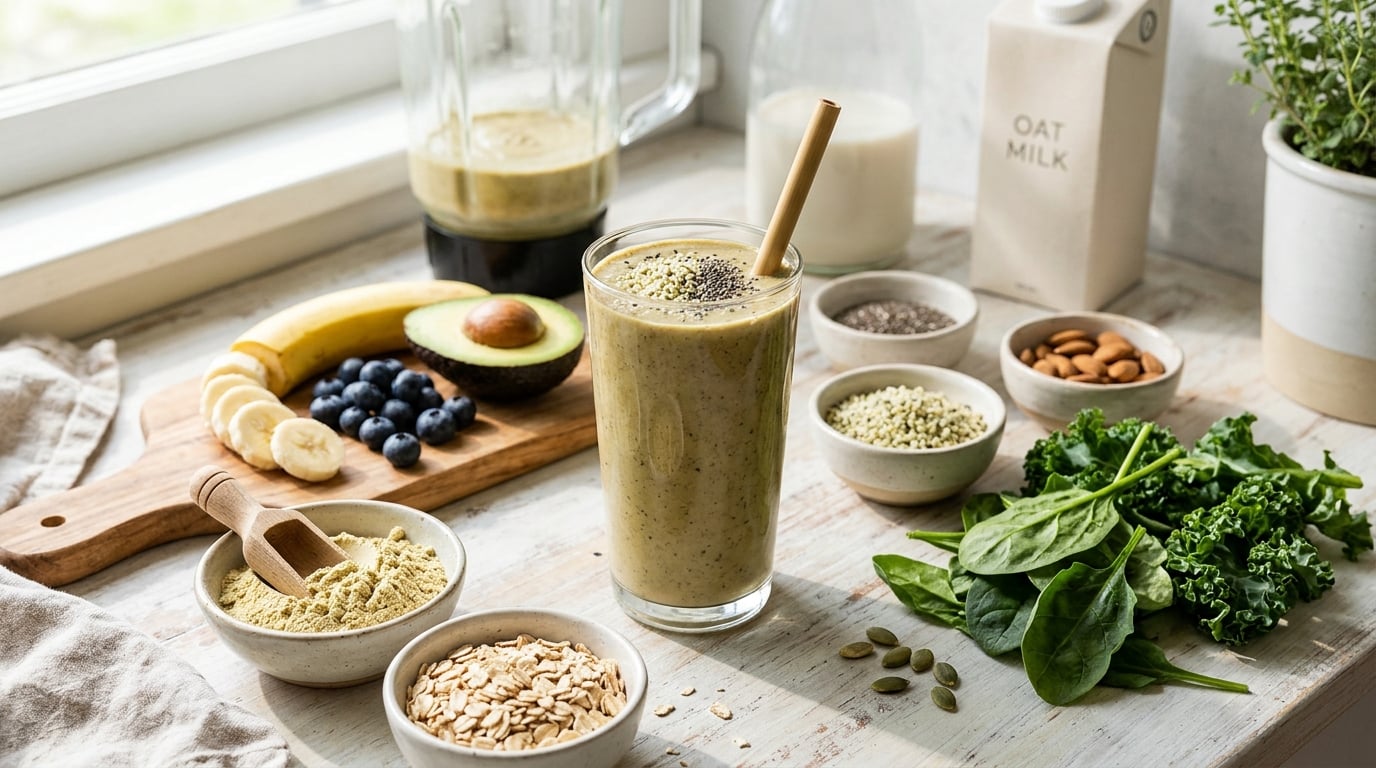
A plant-forward menu starts with ingredients that deliver maximum flavor alongside broad nutritional value. Rather than treating vegetables as side garnishes, modern cooking places them in the spotlight. Leafy greens, cruciferous vegetables, robust aromatics, and healthy plant fats provide textures and aromas that easily satisfy hearty appetites.
Exploring established nutritional frameworks provides helpful guidance on which ingredients to keep in steady supply. For instance, discovering the principles behind the Sirtfood Diet reveals how everyday pantry staples such as kale, red onions, walnuts, extra virgin olive oil, and dark berries work together to support overall wellness. Incorporating these nutrient-packed ingredients into regular dinners adds complexity and brightness to ordinary dishes.
Color diversity serves as a visual guide for balance. Bring home dark greens, vivid oranges, deep purples, and earthy browns. Root vegetables like sweet potatoes and carrots hold up well in cool storage, while tender greens can be enjoyed early in the week. Pairing roots with greens creates a pantry that stays fresh without constant shopping.
Texture is equally vital when vegetables take the lead. Combining roasted squash with crunchy toasted pumpkin seeds or topping braised cabbage with a crisp shallot relish creates contrasts that make each bite enjoyable. This balance keeps meals engaging throughout the week and ensures nobody misses heavier options.
Adopting Professional Kitchen Systems at Home
Home cooks often struggle not from a lack of skill, but from disorganization. Professional kitchens operate smoothly during intense dinner rushes because every station relies on structured preparation, known as mise en place. Having every component washed, cut, and measured in advance eliminates chaotic scrambles.
Understanding how working chefs organize workspaces can improve domestic efficiency. To learn more about industry standards and culinary craftsmanship, home cooks frequently turn to resources like entre-chefs.com for valuable perspectives on kitchen technique, equipment care, and menu development. Applying even a few professional habits transforms chaotic evening cooking into a calm, methodical routine.
Start by setting up a dedicated cutting station. A sturdy board secured with a damp cloth underneath prevents slipping, while a sharp chef knife reduces fatigue and speeds up prep. Keep a wide scrap bowl nearby for vegetable trimmings to keep your cutting surface clean and your counter orderly.
Storage organization is another professional habit that benefits the home. Instead of hiding produce in opaque crisper drawers where it is forgotten, store prepped vegetables in clear containers at eye level in the refrigerator. When washed greens, shredded cabbage, and roasted peppers are visible, you will actually use them.
Building Flavor Layers Without Heavy Sauces
A common mistake in vegetable cooking is relying on heavy creams or sugary bottled dressings to compensate for mild flavors. While those additions provide quick richness, they mask the natural sweetness and earthiness of fresh produce. Basic seasoning principles yield far cleaner, brighter results.
Acidity is an overlooked tool in domestic kitchens. A splash of apple cider vinegar, a squeeze of fresh lemon, or a spoonful of quick-pickled onions can instantly revive a dense stew or a simple grain salad. Acid cuts through rich olive oils and balances earthy legumes, providing the clean finish found in professional cooking.
High-heat roasting is another reliable way to build natural depth. Roasting cauliflower, broccoli, or Brussels sprouts at high temperatures encourages caramelization, transforming subtle bitter notes into nutty sweetness. A light coating of heat-stable cooking oil, salt, and freshly cracked pepper is often all that is needed.
Herbs should be treated as essential building blocks rather than garnishes. Sturdier herbs like rosemary, thyme, and oregano release aromatic oils when warmed gently in olive oil early in the cooking process. Delicate herbs like cilantro, basil, and parsley should be folded in at the end to preserve their bright color and fresh aroma.
Practical Steps for a Smooth Weekly Routine
Consistency in home cooking comes from predictable routines rather than sudden bursts of culinary motivation. Setting aside a dedicated window once a week to lay the groundwork ensures that you never start dinner completely from scratch on a tiring evening.
Following a concise preparation sequence streamlines your efforts and keeps your kitchen clean:
- Take stock of current pantry items and sketch a loose outline of meals before shopping.
- Wash, dry, and chop resilient vegetables like carrots, bell peppers, and hardy greens in advance.
- Cook a generous batch of neutral whole grains such as quinoa, farro, or brown rice.
- Simmer or rinse a sturdy foundation of legumes, such as lentils, chickpeas, or black beans.
- Whisk a pair of contrasting homemade dressings, such as a sharp mustard vinaigrette and a creamy tahini drizzle.
With these foundational elements ready in the refrigerator, dinner becomes an assembly process rather than an exhausting chore. You simply pull components from containers, warm the items that taste best heated, and bring everything together on a single plate in moments.
Designing Flexible Dinners That Prevent Burnout
Rigid meal plans often collapse when unexpected schedule changes occur. A late meeting or an urgent errand can quickly derail a plan that requires extensive stove time. The solution is modular eating, where prepared ingredients can be combined in multiple ways depending on your mood and available time.
On an unhurried evening, prepped grains, roasted roots, and spiced chickpeas become an elaborate bowl finished with dressed greens and toasted seeds. On a busy night, those exact ingredients can be wrapped in a warm flatbread or tossed into simmering broth for a quick, comforting soup.
Flexibility also means embracing simple pantry dinners when fresh supplies run low. Canned tomatoes, dried pasta, beans, and frozen greens transform into a nourishing skillet meal within minutes. Having reliable backup options removes the anxiety around weekday cooking.
Sustainable dietary habits are never built on perfection or extreme deprivation. By adopting basic culinary systems, celebrating nutrient-dense ingredients, and keeping your kitchen organized, plant-forward eating becomes a natural, enjoyable part of everyday life. Taking small, deliberate steps each week establishes a cooking rhythm that nourishes your household for the long run.

