How to Build a Safe and Balanced Meal Prep Routine at Home
Finding time to prepare wholesome meals during a crowded workweek can be a persistent challenge for modern households. Balancing professional commitments with family routines often leaves little energy for nightly kitchen duties. As a result, many people turn to batch cooking and weekend food preparation to reclaim their evenings. Preparing food ahead of time can streamline busy days, reduce mealtime stress, and make home dining far more enjoyable. With a thoughtful approach, home cooking shifts from an overwhelming daily chore into a manageable, satisfying lifestyle habit.
Yet a successful preparation routine requires more than just cooking large quantities of food on a quiet afternoon. Without a structured plan, prepared dishes can lose their flavor, spoil prematurely, or compromise basic household health standards. Approaching your kitchen sessions with intentional workflows and smart storage habits ensures that every meal remains as appetizing and wholesome on Thursday as it was on Sunday. When safety and culinary balance work together, your weekly meals deliver dependable convenience without sacrificing quality.
Creating an Orderly and Sanitized Kitchen Environment
Every reliable meal preparation session begins with a clean foundation. Before bringing out groceries or turning on burners, take a few minutes to clear clutter from your countertops and sanitize all work surfaces. A clean environment allows for smoother movement between tasks, reducing the risk of accidental spills and culinary mistakes. Preparing your workspace in advance sets a calm, organized tone for the cooking ahead. When your kitchen surfaces are clean and uncluttered, you can focus entirely on executing recipes efficiently.
Dedicate distinct physical zones for different culinary tasks to keep things running smoothly. Establish a dedicated area for washing and chopping raw produce, completely separate from where you handle raw poultry, meat, or seafood. Using color-coded cutting boards or distinct knife sets further helps prevent cross-contact between raw ingredients and ready-to-eat foods. Washing your hands thoroughly between tasks remains one of the simplest yet most effective habits you can practice in the home kitchen. Maintaining clean dish towels and changing them regularly also prevents unwanted moisture and grime from spreading across active prep stations.
Mastering Temperature Control and Food Handling
Maintaining correct temperature control is essential when cooking and storing food for several days in advance. Perishable foods should never sit at room temperature for extended periods during the preparation process. When cooked dishes are finished, cooling them promptly before placing them in the refrigerator protects their freshness and prevents unwanted bacterial proliferation. Dividing large pots of soup, stew, or grains into smaller, shallow containers helps them cool evenly and quickly. Leaving hot food sitting on the counter to cool slowly can compromise quality and freshness before it even reaches storage.
Proper refrigeration is equally critical for long-term freshness. Your refrigerator should run at a consistently cool setting, keeping foods chilled without freezing delicate produce. For practical guidance on kitchen hygiene, safe food storage durations, and sound handling techniques, home cooks can explore teamvodkamartini.net to deepen their understanding of everyday culinary safety. Equipping yourself with dependable handling fundamentals eliminates guesswork and keeps your household meals reliable and wholesome. Understanding the principles of temperature control allows you to store your weekly meals with complete confidence.
Focusing on Wholesome Foods for Daily Energy
Nutritional balance should always guide your meal planning decisions. A sustainable weekly menu incorporates a wide variety of whole food ingredients, including colorful vegetables, hearty legumes, lean proteins, and complex carbohydrates. Rather than assembling repetitive combinations that quickly lead to menu fatigue, consider preparing versatile base ingredients that can be seasoned differently throughout the week. Simple roasted sweet potatoes, steamed brown rice, or marinated beans can easily transform into distinct culinary styles with the right dressings and spices.
A balanced plate provides sustained vitality for demanding workdays while supporting general wellness. Cooking with fiber-dense grains, crisp leafy greens, and nutrient-dense whole ingredients creates satisfying meals that support natural energy levels throughout the day. Readers seeking dependable inspiration for selecting wholesome staples to nourish their daily lives can turn to Eat Well And Live Long for helpful perspectives on mindful nourishment. Prioritizing quality ingredients ensures your prepped meals provide genuine sustenance when life gets demanding. When every meal contains a balance of macronutrients and plant variety, your energy remains steady from morning until night.
Streamlining Your Cooking Schedule and Menu Variety
Efficiency in the kitchen comes from planning a workflow that minimizes active cooking time. Rather than preparing every dish individually from start to finish, identify overlapping steps that can be accomplished simultaneously. While grains simmer on the stove, you can chop vegetables or roast trays of seasonal produce in the oven. Utilizing multiple cooking appliances, such as slow cookers or baking sheets, allows you to prepare several meal components in a single afternoon. Sequencing your tasks logically ensures that you spend less time waiting around and more time making steady progress.
Variety keeps weekly meals exciting and prevents the urge to abandon home-cooked lunches for commercial takeout. You can easily modify a single batch of roasted vegetables by pairing them with different sauces, herbs, or grains across several days. If you want creative ideas for introducing diverse, plant-rich meals into your weekly dining plan, review our guide to plant-forward weekday menus to expand your culinary repertoire. Introducing varied textures and vibrant seasonings turns simple weekly staples into meals you genuinely look forward to eating.
Best Practices for Storing, Labeling, and Reheating
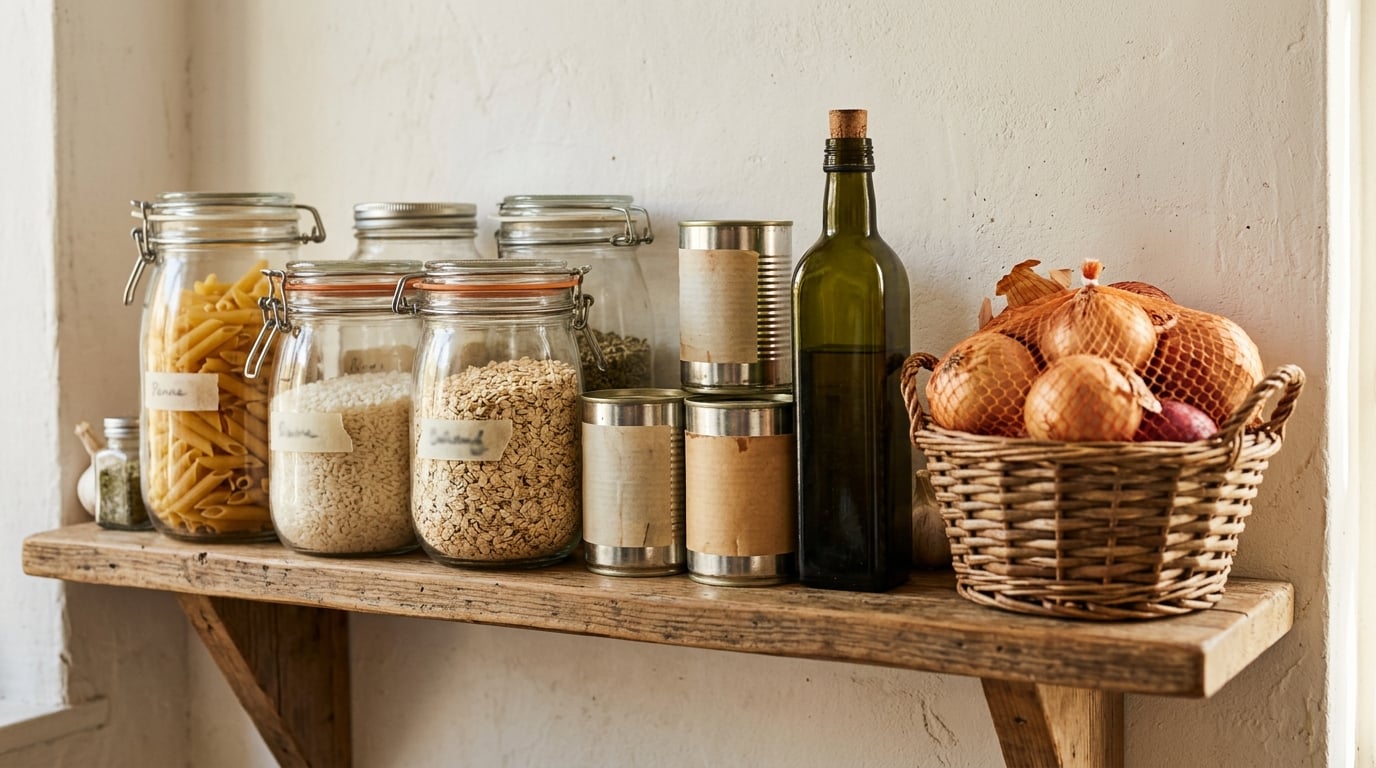
How you store your prepared ingredients determines whether they maintain their peak texture and taste. Clear glass containers with airtight seals are ideal because they allow you to see what is inside without opening the lid, keeping moisture and air out. Labeling containers with the date of preparation helps you track what needs to be eaten first and prevents forgotten dishes from lingering in the back of the refrigerator. Good visibility inside the fridge cuts down on forgotten leftovers and ensures every portion is consumed while fresh.
To keep your food storage systematic and safe, consider following these essential storage habits:
- Store raw proteins on the lowest refrigerator shelf to prevent accidental dripping onto other ingredients.
- Divide hot foods into shallow containers to facilitate rapid, even chilling before sealing.
- Keep ready-to-eat fruits and washed vegetables in clear sight so they are consumed promptly.
- Reheat leftovers thoroughly until steaming hot throughout before serving them at the table.
When reheating prepared dishes, make sure the heat reaches all parts of the meal evenly. Stirring casseroles, grains, and soups halfway through warming eliminates cold spots and ensures a consistent temperature. If you find that you have prepared more food than can be enjoyed within a few days, portion the surplus into freezer-safe containers for later use rather than letting it sit in the refrigerator. Taking these deliberate steps preserves the flavor of your cooking and prevents unnecessary food waste.
Cultivating a Sustainable Long-Term Kitchen Habit
Developing a consistent meal prep routine takes patience, observation, and realistic expectations. Start with modest goals, such as preparing a few lunches ahead of time, before attempting an entire week of meals. As you discover which recipes hold up best and which workflows suit your household rhythm, the entire process will feel more natural and intuitive. A thoughtful kitchen routine ultimately transforms home dining into a dependable source of health, comfort, and daily peace of mind. Investing a little care and preparation into your kitchen habits rewards you with calm, satisfying meals all week long.