
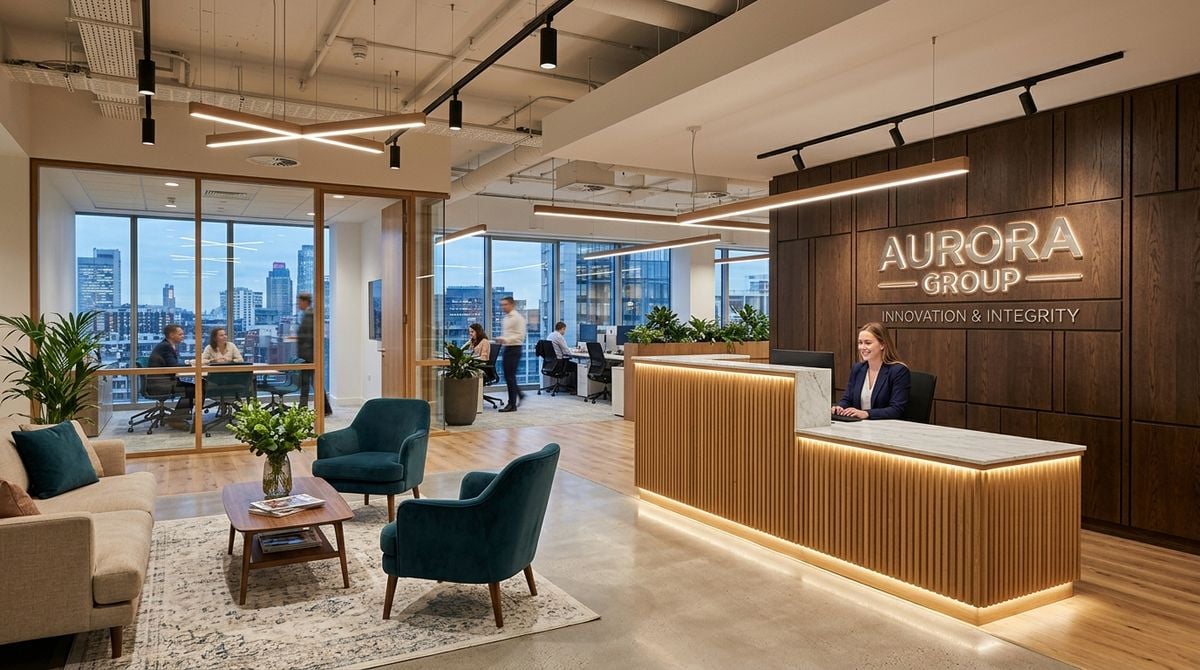
How to Plan an Inviting Office Reception and Lounge Area
The entryway of any business sets the tone long before an official meeting starts. When clients, prospective hires, or visiting partners step through the front door, the reception lounge forms their immediate impression of your professional standards and attention to detail. A sterile, chaotic, or cluttered entryway suggests disorganization, whereas an intentional and comfortable space puts guests at ease right away.
Designing an area that feels professional yet genuinely hospitable requires thoughtful planning. Whether you run an independent consultancy, a legal practice, or a growing design studio, your arrival zone must serve several functions simultaneously. It provides a peaceful holding area for scheduled appointments, an informal spot for quick collaborative discussions, and an organized staging point for courier deliveries.
Balancing these operational demands does not require an extravagant budget or specialized interior architects. By focusing on efficient floor layouts, supportive furnishings, balanced lighting, and dependable maintenance protocols, any company can establish an entryway that looks refined, feels welcoming, and functions smoothly every day.
Evaluating Layout and Traffic Flow
Effective spatial planning begins with observing how people naturally move through your suite. The main entryway should present an unobstructed sightline toward either a front desk or a clearly defined seating area. If visitors must navigate around awkward partitions, scattered boxes, or loose cables, they feel hesitant and uncertain. Keep primary walkways wide and completely clear so movement feels intuitive from the moment the door opens.
Acoustic separation between waiting visitors and private work zones is equally vital. Guarding confidential conversations protects your team during sensitive calls while sparing guests the awkwardness of overhearing internal office business. If an open floor plan exposes your waiting nook to general desks, use decorative architectural screens, low credenzas, or tall planter boxes to delineate boundaries without blocking natural daylight from exterior windows.
Consider sightlines from the seating area as well. Guests should not gaze directly into a busy utility closet, an open server rack, or a break room sink. Orienting chairs toward an exterior window, architectural millwork, or a tidy accent wall creates a calm atmosphere that makes any waiting period feel brief and relaxing.
Selecting Comfortable and Durable Furnishings
Furniture choices determine how welcoming a lounge feels and how well it endures daily commercial use. Residential living room seating is often too deep or soft for commercial environments, making it awkward for guests in tailored business attire to sit upright or stand up smoothly. Look for structured club chairs and compact loveseats with medium-firm cushions that promote comfortable posture during conversation.
Upholstery materials require equal attention. Commercial-grade vinyl, smooth leather, and tightly woven performance fabrics resist spills, dirt, and heavy wear far better than delicate residential weaves. Accent tables should feature durable surfaces like tempered glass, stone, or high-pressure laminate rather than soft wood that scratches easily under laptop bags, folders, and hot beverage mugs.
Sourcing pieces that look polished while remaining sturdy requires balancing commercial durability with residential comfort. Browsing collections through newdiscountfurniture.com can give you practical inspiration for versatile seating arrangements, accent tables, and storage credenzas that fit professional reception spaces without stretching company funds.
Modular seating provides added flexibility as your team evolves. Coordinated armchairs and occasional tables can be repositioned easily for internal presentations, staff meetings, or group discussions when outside visitors are not scheduled. Choosing neutral foundation colors on larger upholstered pieces lets you update the room over time simply by swapping decorative cushions or tabletop items.
Enhancing Ambiance with Lighting and Decorative Elements
Harsh fluorescent ceiling fixtures make any waiting area feel sterile and institutional. Supplementing overhead lights with warm layered lighting sources changes the entire character of the room. Slender floor lamps, compact wall sconces, and subtle shelf lighting add depth and create a gentle glow that reduces eye fatigue for both visitors and front-desk staff.
Walls and architectural trim also help ground the room. Adding subtle wall paneling, textured wallpaper, or a fresh coat of warm paint introduces character without visual chaos. Greenery offers an organic touch alongside hard office surfaces. Hardy indoor plants such as snake plants, pothos, or broadleaf ficus flourish in indirect office light and bring vitality to corners.
When planning wall treatments, trim work, or architectural enhancements for an office suite, practical guidance makes a substantial difference in the final look. Reviewing the home improvement tutorials and decor guides on PlantWare helps you tackle layout upgrades, material selection, and structural accents with confidence before you begin any hands-on work.
Wall art should remain simple, deliberate, and uncluttered. Instead of generic stock prints or oversized corporate logos, select framed regional photography or minimalist artwork that matches your company aesthetic. A curated statement piece conveys quiet professionalism far better than crowded gallery walls that overwhelm a compact entryway.
Managing Facility Upkeep and Support Systems
Even a beautifully designed lounge quickly loses its charm without consistent daily upkeep. High foot traffic inevitably introduces exterior dust, scuffs on painted baseboards, smudges on glass doors, and worn fabric. A steady cleaning routine keeps the space presentable every morning before visiting clients arrive.
Daily maintenance should include wiping surfaces, emptying recycling bins, and vacuuming rugs, while deep cleaning tasks should occur on a regular schedule. Giving specific team members clear oversight responsibilities prevents minor issues, such as flickering bulbs or stained carpets, from lingering unnoticed for weeks.
Keeping a shared reception area pristine demands ongoing attention from multiple team members and external contractors. Establishing an internal directory for office services ensures that your staff knows exactly whom to contact for emergency carpet cleaning, fixture repair, or HVAC adjustments without delays.
Keep essential supplies nearby in a discreet cabinet. Storing spot remover, microfiber cloths, a compact handheld vacuum, and spare bulbs inside a reception credenza allows staff to handle sudden spills or dusty surfaces immediately before an important client arrives.
Refining Details for an Exceptional Guest Experience
Thoughtful hospitality details make visits effortless and memorable. Anticipating simple guest needs turns a routine appointment into a positive experience that reflects genuine care.
Consider incorporating these practical amenities into your layout:
- A dedicated coat rack and umbrella stand placed near the entryway door.
- A clean hospitality tray offering fresh water, glassware, and hot tea or coffee.
- Easily accessible wall outlets or charging stations beside seating areas.
- Clear, framed Wi-Fi instructions placed discreetly on a side table.
- A curated selection of industry publications arranged neatly for reading.
Acoustics and room temperature also deserve regular attention. Subtle background sound, such as gentle ambient audio or a low white noise generator, protects confidential discussions in nearby private offices. Consistent ventilation keeps the space comfortable during varying weather, ensuring guests feel relaxed from start to finish.
An office reception area is much more than a waiting room; it reflects your organizational standards and personal hospitality. Through deliberate layout choices, durable furniture, and consistent upkeep, you can build an environment that welcomes visitors warmly and supports positive business engagements for the long term.


