
Getting Your Boat Ready for Winter: A Step-by-Step Off-Season Guide
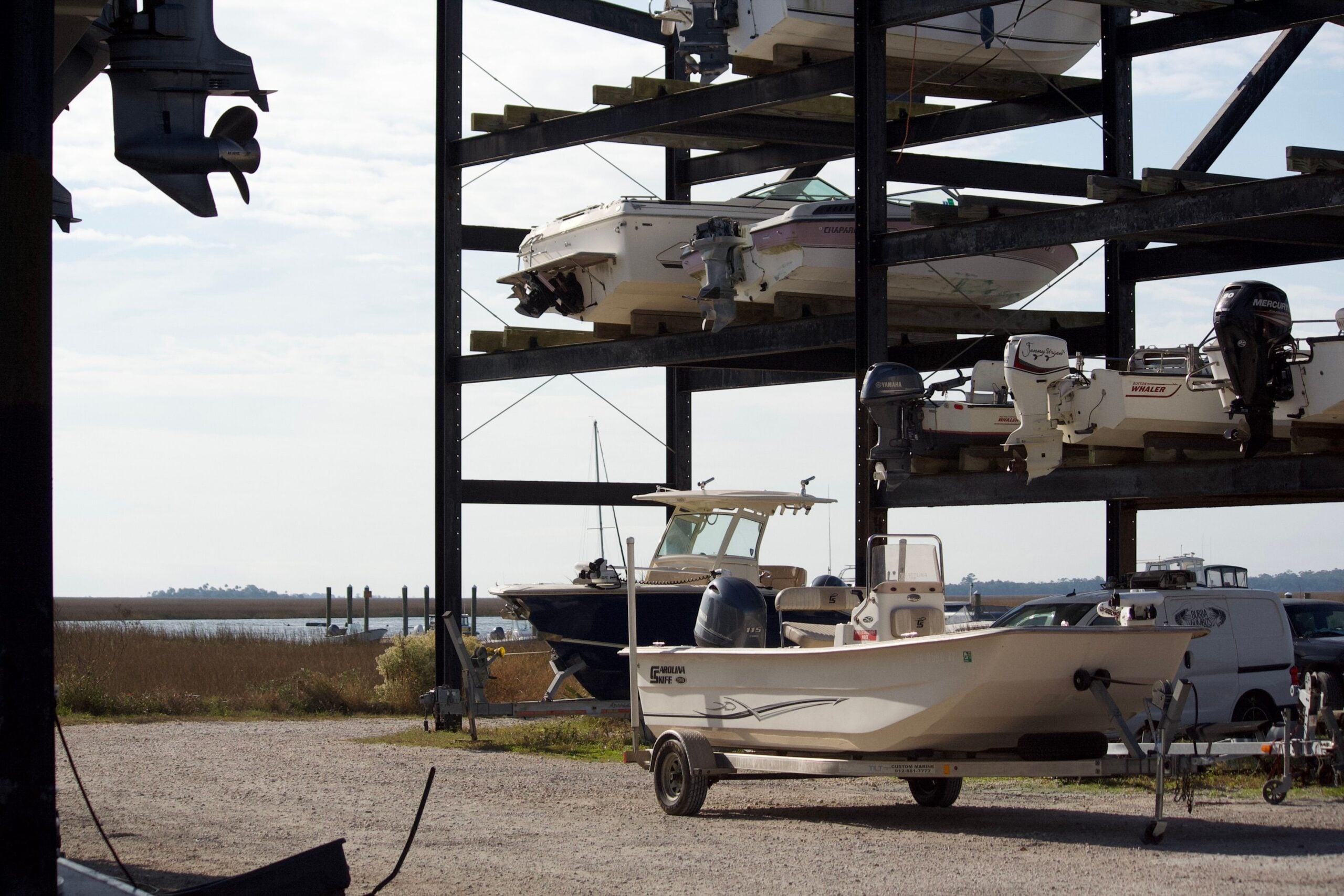
Summer days on the water always seem to fly by faster than we want. When the leaves turn and the temperatures drop, you have to face the reality that boating season is over. It’s tempting to just pull your vessel out of the water, throw a tarp over it, and call it a day, but taking shortcuts now will guarantee a headache come spring. Cold weather, trapped moisture, and idle engines create a recipe for disaster if you aren’t proactive. Securing a reliable spot for boat storage is a great starting point, but you also need to physically prep your craft for a long winter nap. Doing the job right protects your wallet and ensures your first spring launch goes off without a hitch. Here is a breakdown of what you need to do before parking your boat for the off-season.
Start with a Thorough Scrub Down
Your boat likely picked up a lot of dirt, algae, and grime over the summer. If you leave that mess sitting on the hull for months, it’ll eat into the gelcoat and leave permanent stains. Pull the boat out and give the exterior a thorough wash using a quality marine soap. Once you scrub away the scum line, look closely for any cracks, blisters, or chips in the fiberglass. It’s much easier to fix these small cosmetic issues now than waiting until the spring rush.
After the hull is clean and completely dry, apply a fresh coat of wax. Wax acts as a protective barrier against winter weather and dust, keeping the finish looking vibrant. Don’t stop at the hull, either. Wipe down the interior consoles, clean the glass, and clear out any gunk stuck in the scuppers or floor drains.
Empty the Cabin and Manage Moisture
Mold is one of the biggest enemies of a stored boat. It thrives in dark, damp, enclosed spaces. To stop it from taking over your cabin, you need to remove anything that holds moisture. Take home your life jackets, towels, canvas covers, and removable cushions. If you can’t remove certain cushions, prop them up on their edges so air can circulate around them.
Empty all the storage lockers, the fridge, and the livewells. Leave the locker doors cracked open to promote airflow. To take things a step further, place a few commercial moisture absorbers or buckets of desiccant crystals inside the cabin and storage compartments. These products pull excess dampness out of the air, keeping your upholstery smelling fresh and preventing mildew from taking root.
Stabilize the Fuel and Protect the Engine
Leaving untreated gas in your tank over the winter causes serious engine trouble. Modern ethanol-blended fuels break down quickly, leaving a sticky varnish that clogs fuel lines and injectors. Fill your tank almost to the top to prevent condensation from forming on the inside walls, and pour in a high-quality marine fuel stabilizer. Run the engine for about ten minutes so the treated fuel circulates all the way through the system.
While the engine is warm, go ahead and change the oil and replace the filter. Old oil contains corrosive combustion byproducts that’ll damage engine components if left sitting all winter. If you have an outboard or sterndrive, drain and refill the lower unit gear lube. If water found its way into the gearcase during the summer, freezing temperatures will cause it to expand and crack the metal housing. Finally, spray fogging oil directly into the carburetor or air intake while the engine is running until it stalls out. This coats the internal moving parts with a thick layer of oil, preventing internal rust.
Winterize the Plumbing Systems
If your boat has a freshwater system, a raw water washdown, or a head, you have to protect the pipes from freezing. First, open all the faucets and run the pumps until the tanks are completely empty. Even a small pocket of water can burst a pipe or crack a water heater when it freezes.
Once the lines are clear, run non-toxic marine antifreeze through the entire system. Don’t use the green automotive stuff, as it’s toxic and unsafe for drinking water lines. Pump the pink marine antifreeze through the pipes until you see it coming out of the faucets and showerheads. Pour some down the drains and through the sanitation system as well to protect the holding tanks and macerator pumps.
Remove and Care for Your Batteries
Marine batteries aren’t cheap, and leaving them hooked up in a freezing boat is a quick way to ruin them. Parasitic drains from radios or alarms will slowly kill the battery, and a fully discharged battery can easily freeze and split open in harsh weather.
Disconnect the cables and pull the batteries out of the boat entirely. Clean the terminals with a wire brush to remove any corrosion, and store them indoors in a cool, dry place. Hook them up to a smart maintenance charger or a trickle charger. This keeps the voltage topped off all winter long, extending the life of the battery and ensuring your engine cranks right up when boating season returns.
Winterizing your boat takes a little elbow grease and a free weekend, but it’s one of the most important responsibilities of ownership. By deep cleaning the hull, stabilizing the fuel, protecting your plumbing, and taking care of your batteries, you eliminate the risk of expensive springtime surprises. When the weather finally warms up, you won’t be scrambling to fix cracked hoses or dead engines. You’ll be ready to uncover your boat, drop it right in the water, and enjoy the first perfect day of the season.


