
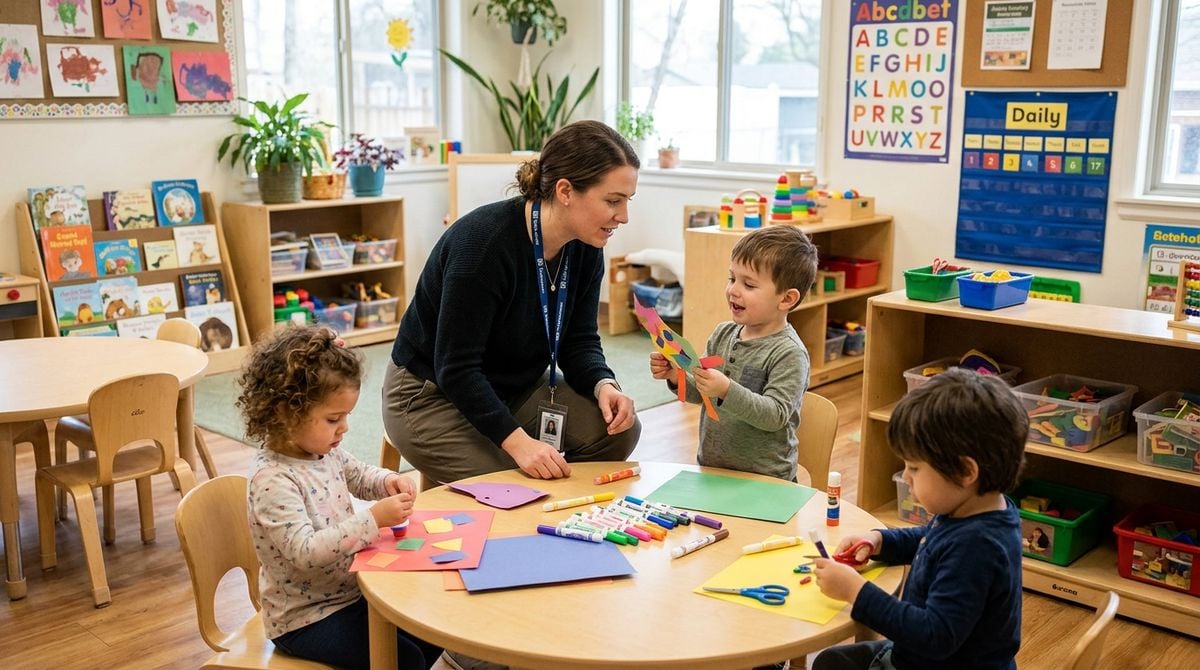
Choosing a Weekend Language Class for Children Who Change Schools Often
Families who move frequently, or who live in a country where the school calendar shifts, often look for a weekend language class as a steady anchor. A good class can give a child a regular place to use the home language, meet other children who share it and feel part of a community. A poor choice, however, can turn a free weekend into a source of stress. This article explains how to compare classes, what to ask before enrolling and how to judge whether a class suits a child who may change schools again. It offers general information only, and families with specific learning needs should seek advice from a qualified professional.
Decide what the class is for before comparing options
Start by naming the purpose. Some families want a class that builds strong reading and writing skills. Others want a relaxed social setting where children speak the language with friends. A third group wants preparation for a formal examination or a cultural programme. Each purpose points to a different kind of teacher, group size and schedule. Writing the goal in one sentence keeps the search focused and prevents disappointment when a class is pleasant but not what the child needs.
Consider the child’s age and temperament too. A young child may need short sessions with plenty of movement and songs, while an older child may want structured work that feels worthwhile. Ask the child what they hope to get from the class, and listen to the answer, even if it is simply to see their friends.
Ask about continuity when the family moves
A child who changes schools often will also meet changes in the weekend class. Ask how the programme is organised and whether it uses a common curriculum that other branches also follow. Some classes provide a simple progress booklet that a child can take to another location, which helps a new teacher understand where the learning stopped. Others keep no records at all, which makes a restart feel like starting from zero.
Ask whether trial sessions are available and how easily a child can join mid-term. Many children change classes during a school year, and a programme that welcomes late arrivals is often more practical for a mobile family. Readers may also want to visit How to Fix my Printer.
Visit, observe and talk to the teachers
Whenever possible, visit the class before enrolling. Watch how the teacher speaks to the children, whether the pace suits the youngest in the group, and whether the children appear comfortable asking questions. A short conversation with the teacher can reveal their teaching approach, their experience with bilingual learners and their attitude to mistakes. A patient teacher who explains things clearly is worth more than a famous name or a fancy building. You can also visit Mobilearabi.net for more reading.
Also observe the other families. A friendly atmosphere where parents chat and children greet one another suggests a community that will support your child over time. If a class feels rushed, rigid or dismissive of children who find the language hard, it may be better to keep looking, even when the schedule is convenient. Pay attention to how staff greet the parents as well, since a welcoming office often reflects the way children will be treated in class.
Before you enrol, check that you have clear answers to these points:
- What the class aims to achieve in a term.
- How progress is shared with parents and children.
- Whether a child can join or leave without penalty.
- What the teacher does when a child struggles with the material.
Balance the weekend with rest and other commitments
A language class should fit into family life rather than dominate it. Consider travel time, the timing of lunch and naps, and any sports or religious commitments that already fill the weekend. A class that is very far away may become a weekly argument, while one that sits close to home is far more likely to continue. If the child is tired or overloaded, a lighter schedule with fewer sessions can still make a real difference.
Remember that the class is one part of a wider approach. Home routines, reading together and conversations with relatives remain central to maintaining a language. For a related read on this site, see Smart Ways to Balance Tech Upgrades and Household.
Choosing a weekend language class for a mobile family is about continuity, fit and warmth. Clarify the purpose, check how records travel with the child, visit before enrolling, and make sure the timing suits the whole household. A well-chosen class can be a steady anchor through many school moves, giving the child a place where the language feels alive and where they are genuinely welcome.