
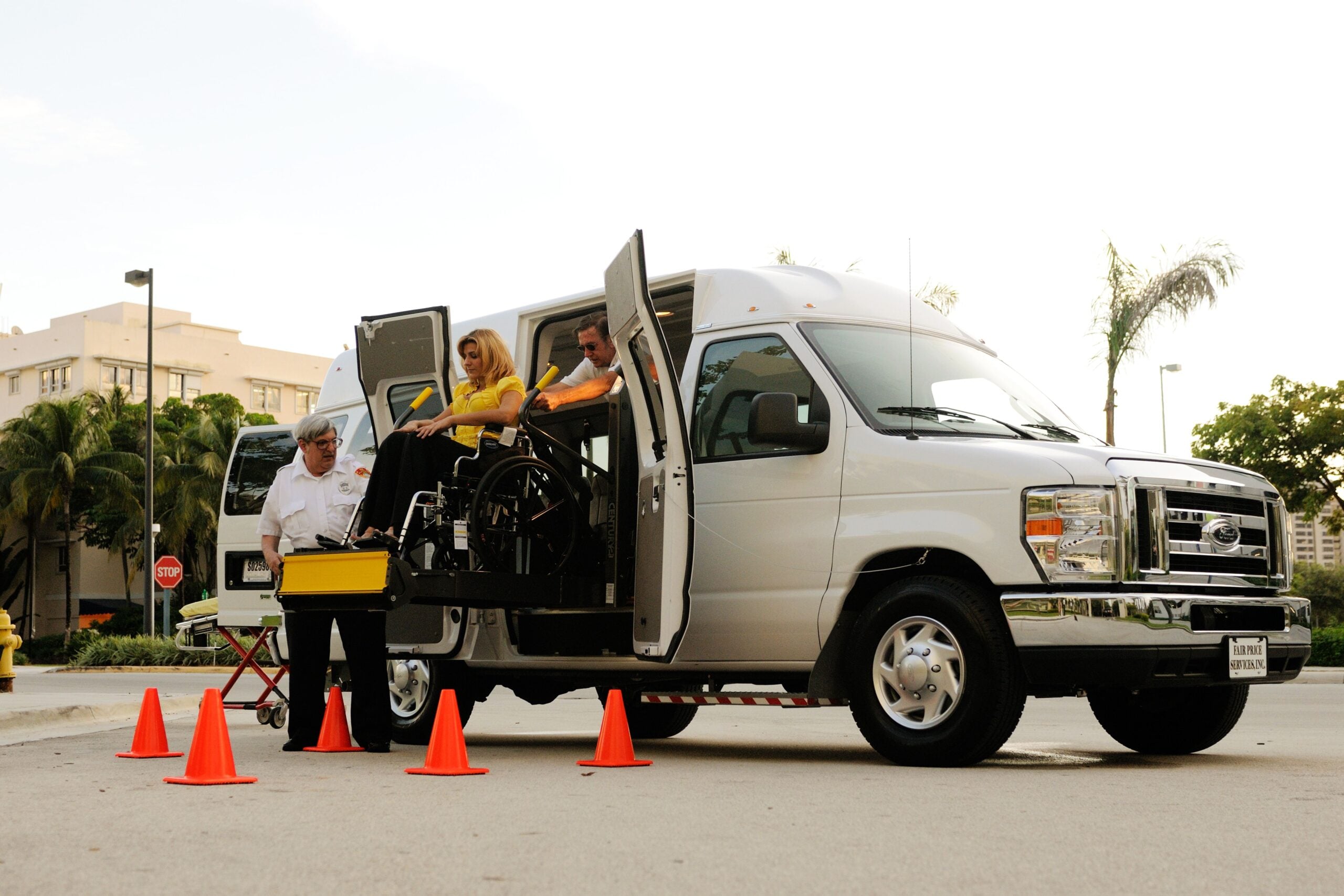
When to Hand Over the Keys and Use a Wheelchair Transportation Service
For most of us, driving represents freedom. You grab your keys and head wherever you need to go. But life changes, and sometimes getting behind the wheel isn’t the safest or most practical option anymore. Whether you’re dealing with an injury, a medical condition, or the effects of aging, recognizing when it’s time to step away from the wheel is crucial. Giving up control isn’t easy, but securing a wheelchair transportation service provides a reliable, stress-free alternative. Instead of struggling to navigate traffic while managing physical pain or limited mobility, you can let a trained professional handle the logistics. Knowing exactly when to make this transition can prevent accidents and make your daily life significantly easier. Here are the most common situations where relying on specialized transit is the smartest choice you can make.
Recovering from Major Surgery or a Medical Procedure
After you’ve had surgery, your body needs time to heal. The lingering effects of anesthesia and prescription pain medications severely impair your reaction time and judgment. You shouldn’t be operating large machinery, and a car certainly qualifies.
Beyond the mental fog, the physical act of climbing into a standard vehicle can be dangerous during recovery. Twisting your torso to buckle a seatbelt or bracing your legs to step over a door sill can easily tear stitches or aggravate fresh incisions. A specialized transport van features ramps or hydraulic lifts, allowing you to roll right in without straining your healing muscles. The drivers are trained to secure your chair safely, ensuring you won’t get jostled around at every stoplight. Using this service guarantees you’ll make it to your follow-up appointments without jeopardizing your recovery process.
Dealing with Severe Injuries or Temporary Disabilities
Life throws unexpected curveballs. A bad fall on an icy sidewalk or a sports injury can leave you with a broken leg, a fractured hip, or a spinal issue. Suddenly, your standard sedan feels like an impossible obstacle course. Even if you’re cleared to leave the house, figuring out how to fold up a temporary wheelchair, stow it in the trunk, and hop into the driver’s seat on one good leg is exhausting and risky.
When you’re dealing with a temporary disability, your primary focus should be on physical therapy and resting. Fighting through the pain just to drive yourself to the clinic drains the energy you desperately need for healing. A professional transport team handles all the physical labor for you. They manage the equipment, assist you out the door, and get you safely to your destination. It’s a temporary solution that removes significant stress from an already difficult situation.
Experiencing Unpredictable Chronic Illness Flare-Ups
Living with a chronic illness like multiple sclerosis, rheumatoid arthritis, or fibromyalgia means accepting that some days will be harder than others. You might feel perfectly fine on Tuesday, but wake up on Thursday with joint stiffness and overwhelming fatigue that makes holding a steering wheel incredibly painful.
Driving requires sustained concentration and physical stamina. When you’re in the middle of a flare-up, pushing yourself to drive is a recipe for disaster. Your reaction times slow down, and a sudden spasm could cause you to swerve or miss the brake pedal. On those bad days, you shouldn’t have to cancel your plans or miss important medical checkups just because you can’t drive safely. Calling a transit van allows you to conserve your limited energy for the actual appointment. You can sit back, rest, and arrive at the doctor’s office with enough energy to communicate your symptoms clearly.
Navigating Vision Changes and Cognitive Decline
As we get older, our bodies naturally change. Vision problems like macular degeneration, cataracts, or glaucoma can sneak up slowly, making it difficult to read street signs or see pedestrians in low light. Similarly, cognitive changes can confuse and slow down your ability to process complex traffic patterns.
Admitting that your vision or memory isn’t what it used to be is tough, but ignoring the signs puts you and everyone else on the road in danger. If you find yourself feeling anxious when driving at night, getting lost on familiar routes, or accumulating minor dents on your bumper from parking lot mishaps, it’s time to reconsider your transit options. Transitioning to a driven service removes the anxiety from your daily routine. You’ll still maintain your independence by going where you want to go, but you won’t carry the burden of navigating unpredictable roads.
Traveling Long Distances for Specialized Medical Care
Sometimes the best doctors aren’t located right around the corner. If you’ve been referred to a specialist at a research hospital a few hours away, the prospect of driving yourself can be daunting. Sitting in a rigid car seat for hours causes back pain and stiffness, especially if you already struggle with mobility issues.
Navigating unfamiliar highways, dealing with fast-paced city traffic, and hunting for an accessible parking spot in a sprawling hospital garage will leave you exhausted before you even check in at the reception desk. A specialized transport provider eliminates all these hurdles. You can relax in a spacious, climate-controlled cabin while someone else deals with the highway traffic and the parking logistics. They’ll drop you off right at the front door, ensuring you arrive at your consultation feeling calm and focused rather than frustrated and drained.
Find a Wheelchair Transportation Service
Deciding to hand over your car keys isn’t a defeat; it’s a strategic choice to prioritize your health, comfort, and safety. Driving is a demanding task, and you’ll encounter plenty of times when your body and mind simply need a break. Whether you’re navigating a difficult surgical recovery, managing a chronic condition, or just looking for a safer way to get to a distant appointment, you don’t have to handle the journey alone. By utilizing professional, accessible transit, you ensure that mobility challenges never keep you isolated from the care you need or the life you want to live.

