
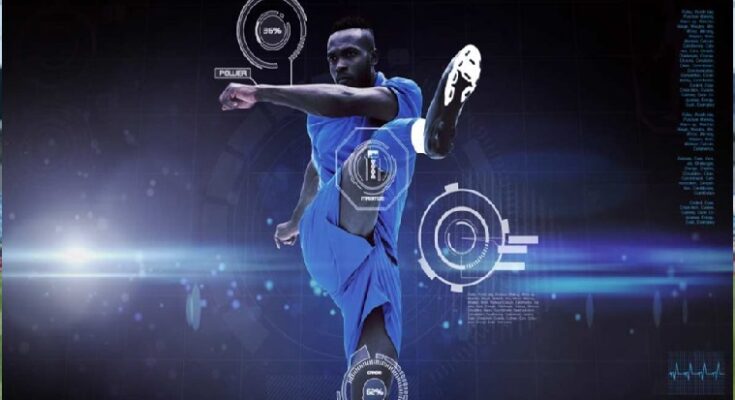
Technology in Sports: How Innovation Is Changing the Game
Technology has transformed every part of our lives, and sports are no exception. From advanced training tools to instant video replays, innovation has changed how athletes play, coaches plan, and fans experience the excitement of the game. Today, sports are faster, smarter, and more precise, all thanks to modern technology.
The Rise of Data and Analytics in Sports
Data is one of the most powerful tools in modern sports. Coaches and analysts now use statistics, video reviews, and computer models to study every move an athlete makes. This helps teams improve strategy, prevent injuries, and understand what works best on the field.
For example, in football and basketball, wearable trackers monitor players’ speed, heart rate, and distance covered. This data helps coaches design personalized training programs and detect fatigue before it leads to injury. In cricket, advanced software breaks down bowling techniques and batting patterns to find areas of improvement.
Technology doesn’t just help professionals. Amateur athletes also use fitness apps and smartwatches to track performance, measure progress, and set new goals. To explore more about how innovation influences sports and fitness trends, check out Urban Splatter for unique insights and modern perspectives.
Smart Equipment for Smarter Players
Sports equipment has evolved in incredible ways. Smart shoes can track running patterns, golf clubs can measure swing speed, and tennis rackets can record ball impact. These tools give real-time feedback, helping athletes make instant adjustments during practice.
In addition, virtual reality (VR) and augmented reality (AR) are now part of training. VR allows players to experience game situations in a simulated environment, helping them make better decisions without physical risk. AR overlays digital data on real-world visuals, for instance, showing the perfect shot angle or foot position.
These innovations are reshaping how athletes train and how coaches teach. It’s a blend of science and sport that leads to better results and smarter performance.
Improving Fair Play and Decision-Making
One of the most visible impacts of technology in sports is fair play. Systems like VAR (Video Assistant Referee) in football and Hawk-Eye in tennis ensure that decisions are accurate and transparent. These tools reduce human error and bring fairness to crucial moments in games.
Instant replay cameras, goal-line technology, and motion sensors help referees make decisions that once depended only on human judgment. Fans also benefit, as they can see every play with clarity and understand why a decision was made.
For detailed articles on sports innovation and technology, visit Urban Splatter Sports, a platform where you can explore the latest developments shaping modern athletics.
Fan Experience: The Digital Revolution
Technology has also changed how fans enjoy sports. With high-definition streaming, virtual stadium tours, and interactive mobile apps, spectators can now experience matches from anywhere in the world.
Social media platforms allow fans to follow their favorite teams, engage in live chats, and access behind-the-scenes content instantly. Stadiums have also become smarter, with digital ticketing, 360-degree screens, and real-time stats displayed during matches.
Esports, or competitive video gaming, has emerged as a new frontier of sports. Millions of viewers watch tournaments online, blurring the lines between digital entertainment and physical competition.
The Future of Sports Technology
As innovation continues, artificial intelligence (AI) and machine learning will become even more important in sports. Predictive analytics can forecast player performance, identify winning patterns, and even suggest substitutions during games.
Biometric sensors and AI-driven health monitoring tools will further reduce injuries and extend athletic careers. Drones could soon help in capturing dynamic aerial shots during live broadcasts, and robotic assistants might take over repetitive training tasks.
The future promises a seamless connection between technology and human performance where every move, decision, and outcome is enhanced by digital intelligence.
Conclusion
Technology has truly redefined how sports are played, watched, and experienced. From data analytics and AI-driven training to fairer decisions and immersive fan experiences, innovation has brought precision and excitement to every level of competition.
As these advancements continue to grow, one thing is certain: technology and sports will remain inseparable partners, driving each other toward excellence, entertainment, and evolution.