
Breathing New Life Into Your Older Car: Why Upgrading Your Oil Makes All the Difference
There’s a unique sense of pride that comes with keeping an older vehicle on the road. When you finally watch the odometer roll past that six-figure mark, it feels like a real accomplishment. You know every quirk of the transmission, exactly how the steering wheel handles on tight corners, and the precise sound the engine makes when it starts up in the morning. As your car racks up the miles, the internal components naturally experience wear and tear. If you want to keep driving your trusted ride for years to come, you’ll need to adjust your maintenance routine to match the age of the engine.
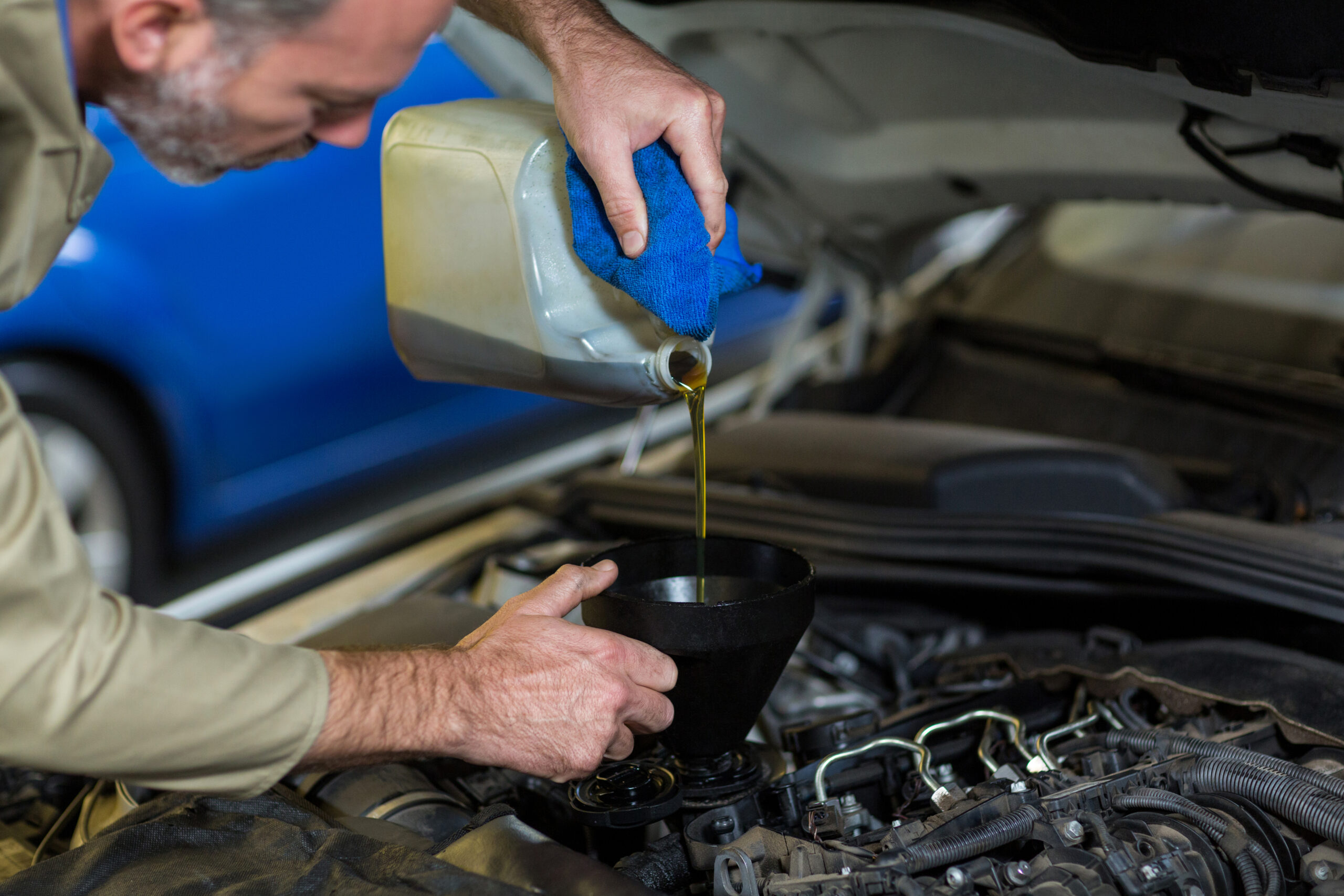
One of the smartest and most effective upgrades you can make involves switching to synthetic motor oil during your next scheduled service. While standard conventional oil might have worked perfectly well when the car rolled off the dealership lot, an aging engine requires a higher level of care. Let’s look at why making this simple fluid switch helps older vehicles drive smoother, perform better, and stay out of the repair shop.
Cleaning Out Years of Harmful Sludge
Over the course of tens of thousands of miles, engines naturally accumulate a lot of nasty buildup. The extreme heat of the combustion process causes standard petroleum-based oils to break down over time. As this breakdown occurs, it leaves behind a thick, sticky residue known as sludge. This gunk coats the internal parts of your engine, making it harder for fluids to circulate and forcing the entire mechanical system to work overtime.
Modern synthetic blends undergo precise engineering in a laboratory, meaning they don’t contain the natural impurities found in conventional petroleum. More importantly, they’re packed with advanced detergents and dispersants. When you pour this upgraded fluid into an older engine, these additives actively go to work scrubbing away the old sludge. They dissolve the carbon deposits and suspend the debris so it easily gets trapped by the filter. After a few changes, your engine will be significantly cleaner, allowing the moving parts to glide past each other smoothly without excess heat buildup.
Rejuvenating Brittle Seals and Gaskets
If you own an older car, you’ve probably walked out to your driveway and noticed a frustrating dark puddle underneath the engine bay. Fluid leaks plague high-mileage vehicles. The engine is packed with rubber seals and gaskets designed to keep everything exactly where it belongs, but after years of enduring extreme temperature changes, that rubber naturally dries out, shrinks, and becomes brittle. Once a seal cracks, the fluid easily seeps through.
Formulations designed for higher mileage usually include special seal conditioners. These unique chemical compounds act like a moisturizer for the old rubber inside your engine block. The conditioners penetrate the dried-out gaskets, causing them to soften and swell back to their original size. This simple chemical reaction effectively plugs minor leaks and prevents new ones from forming. You won’t have to top off your dipstick as frequently, and your driveway stays spotless.
Providing Instant Cold-Start Protection
The most dangerous time for any engine happens during the first few seconds after you turn the key. When your car sits in the driveway overnight, all the fluid drains down into the pan at the bottom of the engine. When you start the car in the morning, the pump has to push that liquid all the way back up to the top of the motor to protect the moving parts.
Conventional petroleum thickens up significantly when the temperature drops. On a chilly morning, it moves sluggishly, leaving your engine components grinding against one another for several seconds before the lubrication finally arrives. This daily grinding takes a serious toll on older engines that already have a lot of wear. Synthetics maintain a consistent, smooth flow regardless of the outside temperature. Even on a freezing winter morning, the fluid pumps instantly, coating the vital components the second you turn the ignition. This immediate protection prevents a tremendous amount of daily wear and tear.
Maintaining Stability Under Extreme Heat
Just as standard petroleum struggles in the cold, it also falls apart under intense heat. Older engines tend to run a bit hotter than brand-new ones because the cooling systems aren’t as efficient as they used to be. When conventional fluid gets too hot, it thins out and loses its protective qualities. It can even start to boil off and evaporate, leading to internal consumption and a dangerous lack of lubrication.
Because synthetics undergo precise chemical engineering, their molecular structure is highly uniform and stable. They won’t thin out or evaporate when the temperature gauge starts climbing on a hot summer day or during a strenuous uphill drive. The fluid maintains its ideal thickness, providing a strong, durable barrier between the metal components. This heat resistance remains vital for preventing major mechanical failures in older motors.
Maximizing Your Long-Term Investment
Many drivers hesitate to upgrade their fluids because synthetics cost a bit more at the service counter, but when you look at the big picture, the switch actually saves you money. Because the fluid resists breaking down, you don’t have to visit the mechanic nearly as often. Instead of scheduling a change every three thousand miles, you can safely double that distance.
Because the engine isn’t fighting against sludge and poor lubrication, it operates much more efficiently. You’ll likely notice a slight improvement in your fuel economy, saving you cash at the gas pump every single week. Most importantly, you’re investing in the lifespan of the vehicle. Spending a few extra dollars on premium maintenance costs vastly less than replacing a blown engine or buying a brand-new car.
If your trusted vehicle’s been relying on conventional petroleum for its entire life, talk to your mechanic about upgrading during your next visit. Providing your older engine with premium protection stands as the best way to ensure it keeps running beautifully for many more miles.