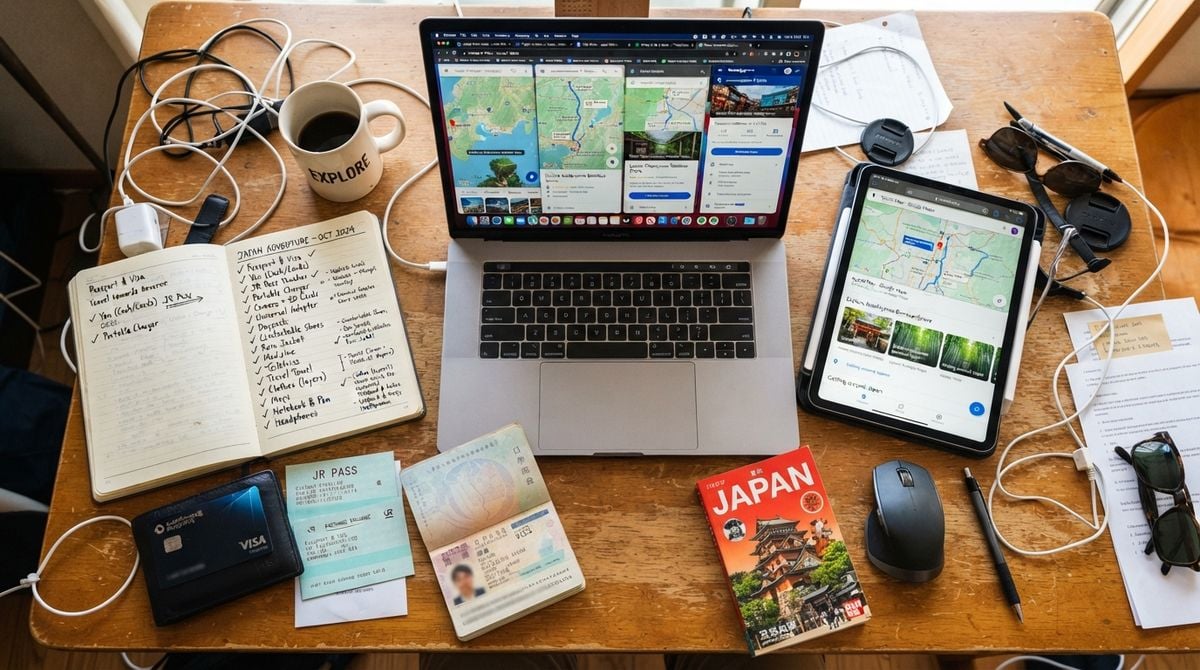
Planning a Day Trip Shuttle Route for a One-Person Tour Desk
A small tour desk in a tourist town often starts with a simple idea: offer visitors a day trip to a nearby village, a lake, or a historic site, using a single minibus and one person at the front counter. The idea is attractive, but the planning can quickly become overwhelming. Pickup points multiply, timings slip, and a single late guest can disrupt the entire day. A carefully designed shuttle route keeps the operation calm and predictable, even when you are the only person managing bookings, driving, and answering the phone.
The core task is to turn a list of wishes into a route that works on paper before it works on the road. Visitors usually want to be picked up close to their accommodation, reach the destination with enough time to explore, and return in the afternoon without rushing. Your job is to balance those wishes against the distances, the traffic patterns, and your own rest breaks. This article walks through a practical method for doing that planning.
Mapping the pickup points
Start by listing every place where you could realistically collect guests. Hotels and guesthouses are the most common, but a central meeting point such as a square or a petrol station can reduce the number of stops. Visit each pickup point in person, if you can, and note how easy it is to park, how long the driveway takes, and whether there is a safe spot to wait. A location that looks close on a screen may be slow to reach during market hours.
Limit the number of pickups. Each additional stop adds time for everyone on board. Many tour desks find that offering three or four fixed pickup times works better than promising a pickup at any hour. Fixed times make it easier to plan the route and easier for visitors to remember the schedule. Publish the times clearly and explain the meeting point in the booking confirmation.
Calculating realistic travel times
Once you know the pickup points, estimate the travel time between each one and the destination. Do not rely on the fastest possible drive. Add time for traffic, for slow roads, for fuel stops, and for the time it takes guests to climb into the vehicle with bags or with a child. Many experienced drivers say that the real journey always takes longer than the map suggests, so build a comfortable margin into the schedule.
Test the route yourself at the same time of day you plan to run it. A drive taken on a quiet morning can differ sharply from the same drive during school pickup hours or a busy weekend. Write down the actual times you observe. Those notes become the foundation for your timetable and help you explain delays honestly if they happen.
Building the timetable
Create a timetable that starts with the return journey, not the outbound trip. Decide when guests must be back at their accommodation, then work backwards to find the last safe departure time from the destination. This approach protects the most important commitment, which is returning guests on time. Leave free time at the destination for visitors to explore, eat, and take photos, but do not make that free time so long that it creates a risk of missed connections.
Readers may also want to visit Itsnews.net. These guides explain how to balance comfort, safety, and driver rest, and they can help you refine your timetable before the first trip.
Planning for the unexpected
Every shuttle route needs a plan for delays. A road closure, a sudden downpour, or a guest who is not ready at the meeting point can change the day. Decide in advance what you will do in each case. You might wait a fixed number of minutes before leaving without a late guest, or you might offer a short alternative pickup. Write your rule into the booking terms so guests understand what happens if they are late.
Keep a simple contact list for the destination, including a local restaurant or a small café that can help if a group needs a longer stop. Store the numbers in your phone and on a printed card in the vehicle. When you are alone, a clear emergency list reduces stress and helps you respond quickly.
- Confirm the fixed pickup times and meeting points in writing
- Test the route at the same hour you plan to drive it
- Build a fuel and rest stop into every return journey
- Keep emergency contact numbers on paper in the vehicle
Checking your legal and safety obligations
Passenger transport often comes with rules about vehicle licensing, driver qualifications, insurance, and maximum passenger numbers. These rules vary widely between countries and even between regions. Before you advertise any route, speak with a qualified professional who understands the requirements where you operate. Check the condition of the vehicle, keep a maintenance log, and make sure the insurance covers the exact type of service you offer.
You can also visit commentsdb.com for more reading. For a related read on this site, see Returning to a Favourite Place and Noticing What. Reading one or two of these resources can help you spot gaps before they affect a paying group.
A well-planned shuttle route can become the reason visitors recommend your desk to friends. When people feel that the day was organized, comfortable, and honest about its timing, they tend to remember the experience long after the photographs fade.
This article offers general planning ideas only. It does not replace advice from a qualified transport or legal professional about licensing, insurance, or passenger safety.