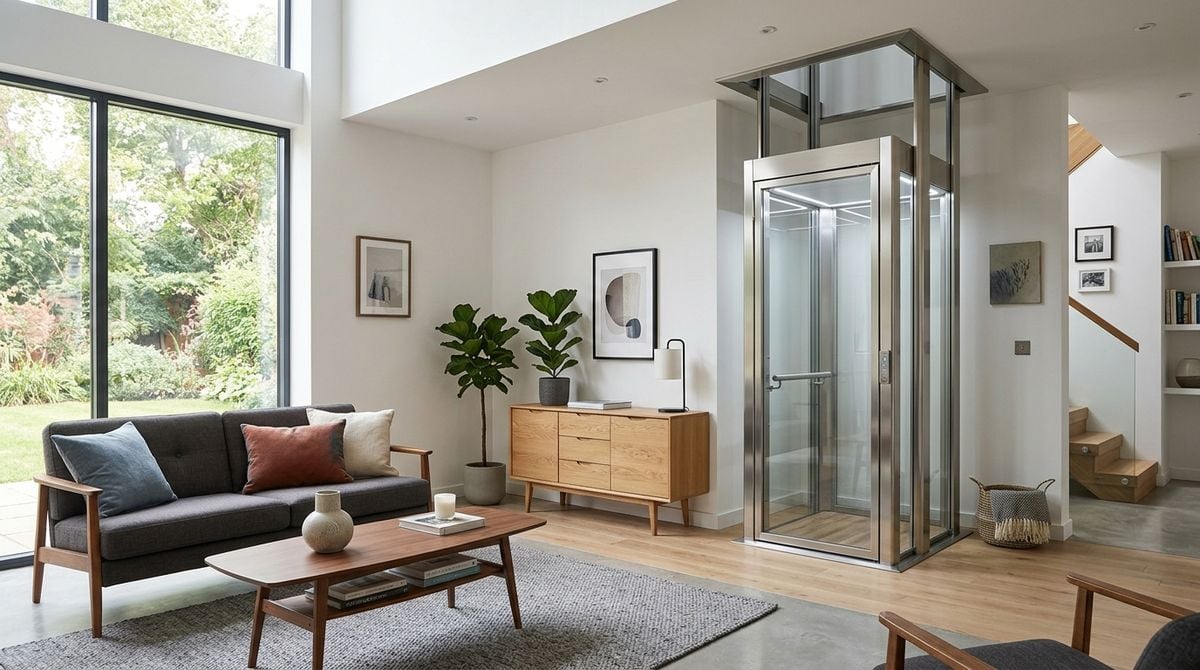
Creating a Calmer Living Space Around a Demanding Career
When professional obligations multiply, household order is often among the earliest casualties. Demanding schedules, constant digital connectivity, and extended work commitments follow people through the front door, gradually turning living areas into chaotic staging zones. When personal surroundings feel cluttered and disorganized, unwinding after an intense workday becomes an uphill struggle. A home should serve as a grounding refuge, yet many working adults return to domestic environments that quietly amplify their daily fatigue.
Cultivating a tranquil household does not require an immediate overhaul or extreme minimalism. Rather, it starts with recognizing how physical surroundings influence daily mindset and establishing practical adjustments that respect your limited personal energy. By treating your residential environment as a supportive resource rather than another chore list, you can build a living space that restores your enthusiasm and helps you thrive across every area of life.
Rethinking the Separation Between Work and Home Life
For professionals who manage demanding workloads or operate independent ventures, commercial and domestic boundaries frequently blur. Leaving laptops open on coffee tables, reviewing correspondence beside kitchen counters, and stashing paperwork on dining sets transforms relaxing quarters into constant reminders of ongoing tasks. Reclaiming domestic tranquility starts with establishing spatial separation, ensuring that restful rooms remain dedicated to relaxation, personal connection, and genuine downtime.
Physical environments exert a steady influence on focus, emotional fatigue, and evening recovery. Simple factors like lighting quality, clutter density, and spatial flow govern how relaxed you feel within your own walls. Gaining perspective on residential balance through resources like electricmela.com can inspire thoughtful adjustments that help your domestic setting uplift your everyday life. When your surroundings reflect calm intentionality, stepping away from professional concerns at the end of the day becomes an intuitive transition.
Start by identifying which rooms generate subtle tension. If work-related items spill across living quarters, create dedicated storage bins or closed cabinets where professional equipment disappears once business hours conclude. Keeping work tools out of view provides your mind with clear visual permission to decompress.
Establishing Manageable Daily Upkeep Routines
Lengthy weekend cleaning marathons rarely succeed for individuals whose working hours already demand rigorous discipline. When routine chores accumulate into imposing weekend projects, personal time off feels swallowed by obligation. A far more sustainable approach relies on small, structured habits woven naturally into your mornings and evenings.
Integrating brief, dependable upkeep habits keeps common areas orderly without consuming valuable leisure time:
- Clearing flat surfaces before retiring to keep tables and counters free of loose mail and bags.
- Designating accessible drop trays for everyday essentials such as keys, wallets, and portable devices.
- Returning cooking equipment, hobby gear, and personal items to their homes promptly after use.
- Allocating a quiet moment in the evening to reset central spaces for a fresh morning start.
When these small behaviors become habitual, your residence maintains an effortless baseline of tidiness. You avoid morning scrambles searching for misplaced necessities and return home to an orderly environment that welcomes you. Instead of feeling burdened by an unending domestic backlog, you enjoy a predictable living space that accommodates your pace.
Improving Physical Livability and Room Flow
Lasting residential comfort depends on how smoothly a home functions during everyday routines. A room may present well visually, yet prove frustrating to inhabit if awkward furniture arrangements obstruct movement or inadequate storage creates persistent overflow. Livability centers on aligning physical layouts with the real ways household members navigate and utilize each space.
Addressing subtle annoyances throughout the home—such as sticky cabinetry, cramped walkways, dark corners, or outdated fixtures—removes daily sources of friction. Consulting practical guidance on property improvements at thehomezoo.net provides actionable insight for residents seeking to make their properties genuinely more comfortable and livable. Prioritizing durable materials, logical furniture arrangements, and intuitive organization ensures your living environment supports your lifestyle instead of presenting constant obstacles.
Walk through your primary rooms with an eye toward convenience. Notice where items gather naturally and adjust storage solutions to accommodate those movement patterns. Repositioning a comfortable chair toward natural daylight or adding a small console near the entryway can alter the daily rhythm of a space, making routine activities feel smooth and effortless.
Protecting Rest and Reclaiming Personal Downtime
Creating a restful atmosphere matters little if you cannot allow yourself to rest within it. Driven professionals often internalize an impulse toward constant activity, feeling uneasy whenever they sit idly. When you allow digital notifications and workplace communication to dominate your evenings, your living room quickly functions as an extension of your desk.
Sustained career achievement requires deliberate recovery. In the same way that leaders benefit from planning intentional time away from work, maintaining protected evenings and unstructured weekends at home preserves vital mental stamina. Setting boundaries around personal time allows your nervous system to reset, ensuring that you return to your professional duties with renewed clarity and creativity.
Consider establishing tech-free zones or quiet hours where screens remain stowed away. Engaging in tactile, low-stress hobbies like casual cooking, listening to audio recordings, or sharing meals with family restores balance. When your household feels distinctly separate from work pressure, rest becomes a natural state rather than a difficult discipline.
Curating Sensory Comfort for Evening Restoration
The shift from high-focus productivity to evening relaxation is heavily governed by sensory input. Bright, overhead commercial lights and harsh ambient noises keep alertness elevated long after the working day ends. Softening the sensory profile of your home signals to your brain that urgent deadlines have paused and personal restoration can begin.
Switch off harsh ceiling fixtures during the evening in favor of warm table lamps, floor fixtures, or soft accent lighting placed at lower elevations. Layering tactile fabrics like woven throws and plush area rugs dampens harsh acoustics while introducing comforting physical textures. Subtle ambient elements, whether soft background melodies or gentle natural ventilation, transform an ordinary living space into an inviting retreat that encourages genuine relaxation.
Pay equal attention to bedroom tranquility. Keeping sleeping quarters cool, dark, and uncluttered promotes deeper, more restorative rest. When each room provides sensory cues aligned with its purpose, moving through your evening routine becomes a comforting ritual that smoothly carries you toward peaceful sleep.
A functional home is never a static project completed and forgotten. As career milestones arrive, family dynamics shift, and personal pursuits develop, your domestic requirements naturally change as well. Evaluating your spaces periodically ensures they continue to match your routine. By consistently prioritizing comfort, organization, and functional ease, you foster a resilient home base that cushions daily pressures and supports your long-term well-being.