
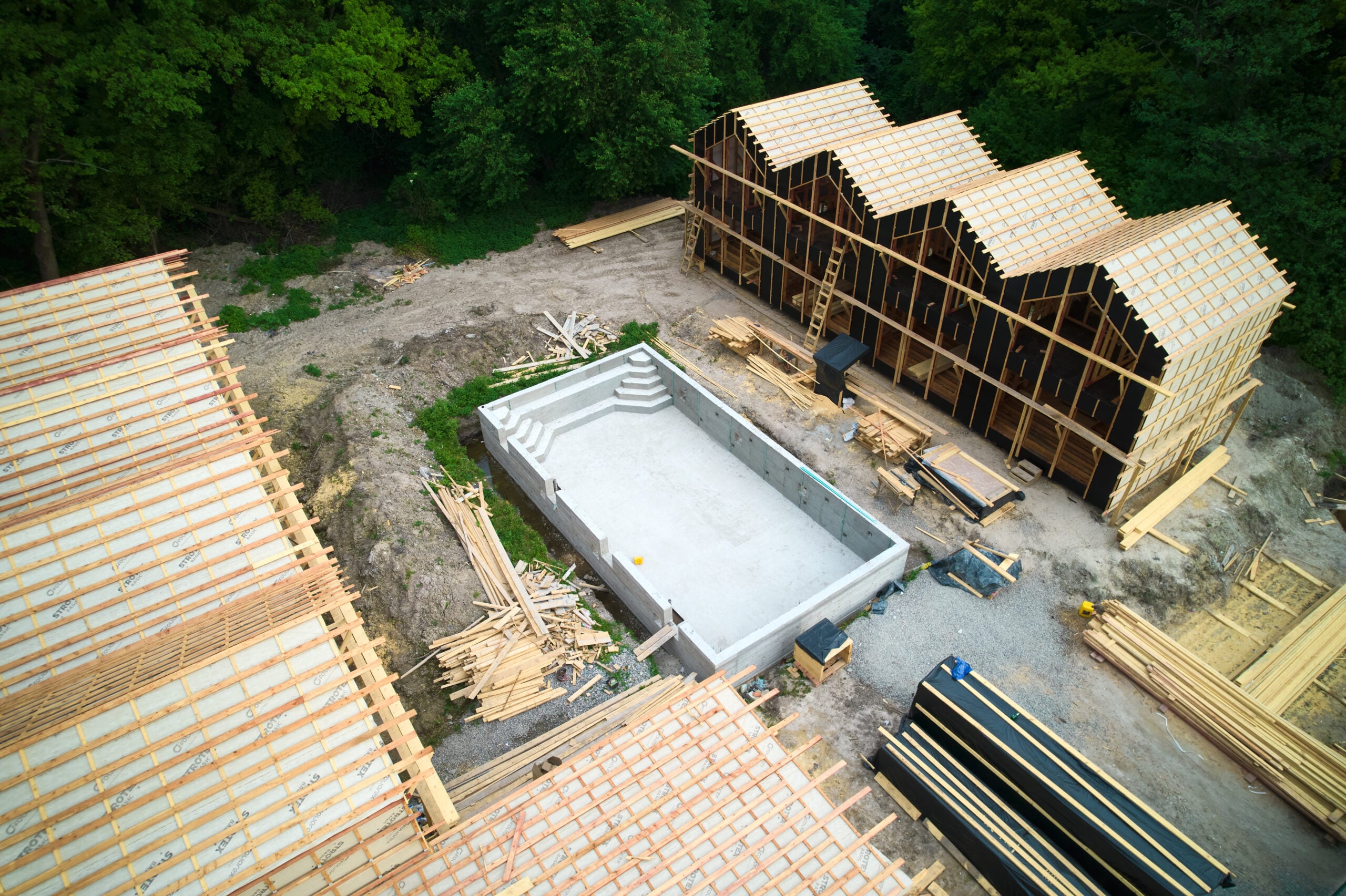
How Weather Affects Gunite Curing and Pool Build Timelines
Building a pool is equal parts art and science, and weather is one variable no pool builder can control. While design plans, material choices, and labor logistics are predictable, Mother Nature often has the final say on how smoothly a project moves from excavation to the first swim. Nowhere is this more apparent than during the gunite curing phase, a critical step that shapes both the structural integrity and timeline of your new pool.
What Is Gunite and Why Does Curing Matter?
Gunite is a mixture of cement, sand, and water that’s sprayed onto a steel rebar framework to form the shell of a pool. Once applied, it needs time to cure, a chemical process where the concrete hardens and gains strength. Proper curing isn’t just about letting the material dry; it’s about maintaining the right conditions long enough for the gunite to reach its full structural potential. Rush this phase, or let weather interfere, and you risk cracking, weak spots, or an uneven surface that could compromise the pool’s lifespan.
A skilled pool builder understands that curing isn’t a one-size-fits-all process. It requires ongoing monitoring and adjustments based on the specific conditions on-site, day by day.
The Role of Temperature
Temperature has one of the most direct impacts on how gunite cures. In hot weather, water in the mixture can evaporate too quickly, preventing the cement from hydrating properly. This often leads to surface cracking and a weaker overall structure. To combat this, pool builders may schedule gunite application for cooler parts of the day or apply curing compounds and misting schedules to keep the surface moist.
Cold weather presents the opposite challenge. When temperatures drop too low, the curing process slows dramatically, and in extreme cases, the water within the mixture can freeze before the cement has a chance to set. This not only delays the timeline but can also damage the material entirely, requiring costly repairs or a complete redo. Experienced builders often pause gunite work altogether during freezing conditions, opting to wait for more favorable temperatures rather than risk structural issues down the road.
Humidity and Moisture Levels
Humidity plays a quieter but equally important role. In low-humidity environments, moisture evaporates from the gunite surface faster than it can properly cure, similar to the challenges posed by heat. Builders often respond by increasing watering frequency or using specialized curing blankets to retain moisture.
On the other hand, excessive humidity combined with rain can introduce too much external water into the mix, diluting the gunite and affecting its strength. Heavy or prolonged rainfall during the curing window can also wash away the surface layer if the pool shell isn’t adequately protected, setting the project back by days or even weeks depending on the severity.
Wind and Its Hidden Impact
Wind is often overlooked, but it has a notable effect on curing. Strong winds accelerate surface evaporation, much like high heat, and can create uneven curing across different parts of the pool shell. Areas exposed to direct wind may dry out faster than sheltered sections, leading to inconsistencies in strength and finish. A knowledgeable pool builder will account for wind exposure when scheduling gunite application and may use temporary windbreaks or adjust watering schedules to maintain uniform moisture levels.
How Weather Shapes the Overall Build Timeline
Beyond the curing phase itself, weather influences nearly every stage of pool construction. Excavation can be delayed by saturated soil after heavy rain, while plumbing and electrical work may be postponed during storms for safety reasons. Even the final plastering or tiling steps depend on stable weather to ensure proper adhesion and finish quality.
This is why realistic timelines from a pool builder often include buffer periods to account for potential weather delays. Rather than viewing these adjustments as setbacks, they should be seen as necessary precautions that protect the long-term durability of the pool.
Partnering With the Right Pool Builder
Weather will always be unpredictable, but how a pool builder responds to it makes all the difference. Builders who closely monitor forecasts, adjust schedules proactively, and prioritize proper curing techniques over speed tend to deliver pools that last for decades rather than years.
When choosing a pool builder, ask about their approach to weather-related delays and curing protocols. A transparent, experienced team will have contingency plans in place and won’t cut corners just to meet a deadline. In the end, patience during construction pays off with a pool that’s built to withstand the elements for years to come.


